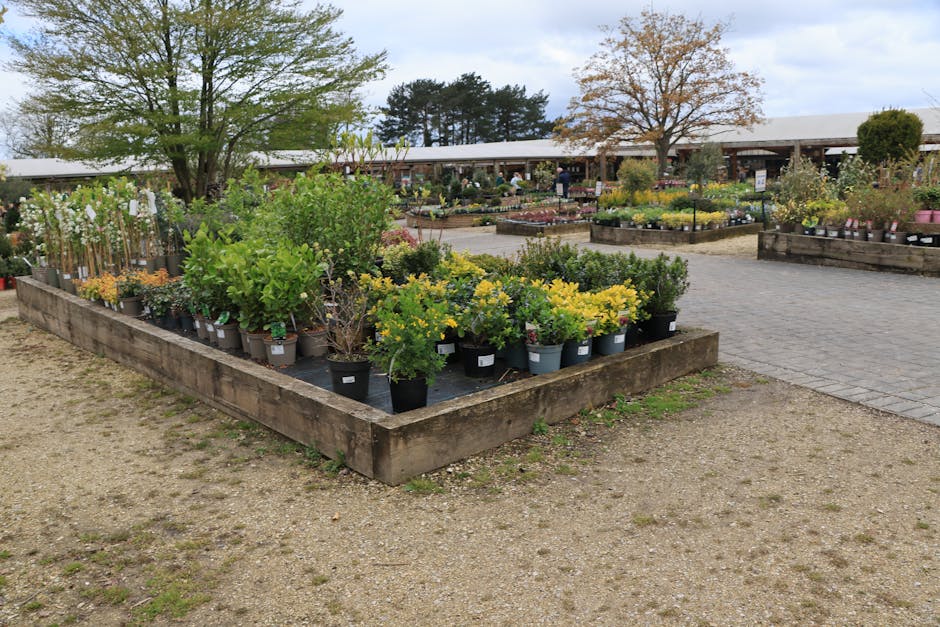
Elmsleigh Centre Shopfront Garden Care by Local Gardeners
If you manage or look after a shopfront near Elmsleigh Centre, you already know the difference a tidy exterior makes. A clean entrance, healthy planters, clipped hedges and swept paving can turn a quick glance into a proper walk-in. Elmsleigh Centre shopfront garden care by local gardeners is really about that first impression, but it is also about keeping outdoor spaces safe, manageable and consistently presentable through the week, not just on the day you remember to tidy them.
In practice, shopfront garden care covers a lot: small planted areas, tubs and displays, frontage beds, path edges, seasonal refreshes, weed control, shrub shaping, lawn edging where relevant, and general upkeep that stops a space looking tired. Done well, it supports footfall, staff confidence and the overall feel of the centre. Done badly, it becomes one of those background issues people notice immediately. Let's face it, nobody wants their shop front to look like it has been neglected since last Tuesday.
This guide explains how local gardeners approach commercial frontage care around Elmsleigh Centre, what good service looks like, where the common pitfalls are, and how to judge whether your outdoor display is being maintained properly. It is written for busy business owners, managers, landlords and anyone who wants the outside to match the care shown inside.
Why Elmsleigh Centre shopfront garden care by local gardeners Matters
A shopfront is not just decoration. It is part of the customer experience, part of the brand, and part of the everyday operating environment. Around a busy centre, people notice the edges: the planter full of weeds, the hedge growing across a sign, the soil washed out after rain, or the ivy creeping where it should not. Those things are small, but small things add up. A fresh frontage can make a shop feel cared for before anyone even steps inside.
Local gardeners bring a practical advantage here. They know the weather patterns, the seasonal swings, the kind of wear commercial paving gets, and the pace at which borders can get scruffy. They also tend to respond more quickly, which matters when you need a tidy-up before a promotion, a weekend rush, or a tenant handover. If you need broader support beyond frontage displays, a good place to start is the site's services overview, which gives a useful sense of the wider maintenance and garden support available.
There is also the question of consistency. One-off tidy-ups can help, certainly, but retail and hospitality frontages usually benefit from routine visits. A frontage that is clean every week feels effortless. In reality, effort has gone into it, just the right kind. That consistency is what keeps the place feeling inviting rather than reactive.
And for staff? A neat external space genuinely changes how a team feels arriving at work. It sounds minor, but a cluttered, overgrown entrance can quietly drain the mood. A cared-for frontage does the opposite. It signals order.
How Elmsleigh Centre shopfront garden care by local gardeners Works
Good shopfront garden care usually starts with a short inspection. A gardener will look at the condition of the planting, note where weeds are emerging, check whether containers are drying out too fast, and identify any hard landscaping issues such as broken edging, slippery debris or blocked drainage around the display area. From there, the work is planned around the business's opening hours and foot traffic.
Most commercial frontage visits involve a mix of routine tasks and response work. Routine tasks are the predictable ones: watering, pruning, deadheading, mowing where there is grass, tidying leaves, feeding plants if appropriate, and keeping growth in check. Response work is the bit that deals with whatever has happened since the last visit: storm damage, broken stems, windblown litter caught in borders, or a planter suddenly looking patchy after a hot spell. In British weather, and to be fair there is no shortage of it, you often need both.
For many sites, local gardeners also help coordinate with other outdoor jobs so the frontage does not become isolated from the rest of the site. A shop entrance that sits beside a side path, terrace, or outdoor seating area may benefit from extra support such as garden maintenance, hedge trimming, or even lawn mowing where lawns or green strips are part of the setting. That matters because a frontage rarely exists on its own; it sits inside a wider visual frame.
The best arrangements are clear about access, timing, waste handling and who signs off the work. If the site includes dead plants, tangled overgrowth or clutter, a one-off garden clearance may be the quickest way to reset the space before putting in a manageable maintenance plan.
Key Benefits and Practical Advantages
There are obvious benefits to tidy shopfront garden care, but the practical ones matter just as much as the visual ones. A well-kept frontage reduces avoidable mess, makes seasonal changes easier to handle, and lowers the chance that minor problems turn into bigger maintenance jobs. In simple terms, you spend less time firefighting.
Here are the main advantages businesses tend to notice:
- Stronger first impressions: neat planting and clean edges make the site feel open, cared for and more trustworthy.
- Better customer flow: clear entrances and tidy approaches are easier to navigate, especially when people are carrying bags or pushing prams.
- Lower maintenance stress: regular attention stops weeds, overgrowth and dead plants from piling up.
- Improved staff pride: people tend to take more care of places that already look cared for.
- More flexible seasonal display: flowers, shrubs and containers can be refreshed without a full redesign every time.
- Less disruption: local gardeners can often work at quieter times, reducing the impact on trading.
There is another, less obvious advantage: better decision-making. Once a professional is looking at the frontage regularly, they can spot patterns. Maybe one side dries out too quickly. Maybe a planting mix looks lovely in May but falls flat by August. Maybe the drainage is poor after heavy rain. That kind of observation helps you improve the site over time instead of just maintaining it.
If you are comparing service levels or trying to plan a budget, the page on pricing and quotes is useful for understanding how requests are usually approached. You do not need every detail before making a start, but it helps to know what is being quoted for: one-off tidy work, ongoing visits, or a combination of both.
Expert summary: The best shopfront garden care is not the most elaborate. It is the most reliable. A modest, well-kept frontage almost always outperforms a grand one that is neglected after the initial install.
Who This Is For and When It Makes Sense
This type of care suits a wide range of businesses and property owners. If your frontage includes planters, beds, paving edges, entrance greenery or any decorative planting that customers see before they enter, then you are in the right territory. The same applies if your shopfront gets dusty, shaded, exposed to wind, or simply busy enough that the outside gets messy fast.
It makes particular sense for:
- independent retailers with visible entrances
- cafes, salons and small hospitality businesses
- shopping centre units with planted borders or containers
- landlords preparing a unit for viewing or letting
- managers responsible for a tidy shared frontage
- businesses that want seasonal planting without the hassle of constant upkeep
You may also want help if the existing frontage has become harder to manage than expected. That happens more often than people admit. A planting scheme that looked straightforward in spring can become a bit of a jungle by midsummer, especially if no one has time to deadhead, weed and water properly. A small strip of border can somehow turn into a weekly chore. Strange, but true.
If your aim is to improve not just the planted area but the whole outdoor presentation, then landscape gardening or broader landscaping support may make sense too. Those services are especially useful where the frontage needs redesigning, not just maintaining.
Step-by-Step Guidance
Thinking about garden care in a structured way keeps things calm and prevents guesswork. Here is a sensible process for a shopfront near Elmsleigh Centre.
- Assess the current frontage. Look at the display from a customer's point of view. What looks untidy? What is healthy? What feels awkward or unsafe?
- Define the main job. Is it routine upkeep, a seasonal refresh, a rescue job, or a longer-term improvement plan?
- Set access and timing. Agree when gardeners can work without disrupting customers, deliveries or cleaning teams.
- Choose practical planting. Pick plants that suit light, exposure and maintenance levels. Pretty is good. Surviving is better.
- Agree frequency. Weekly, fortnightly or monthly visits should match how quickly the frontage changes.
- Build in waste removal. Green waste, cuttings and debris should be cleared away as part of the service, not left in bags by the entrance.
- Review after the first few visits. Ask what is thriving, what is struggling and what should be adjusted.
A useful habit is to take a few photos before work starts. Not for social media, not for vanity, just for comparison. A quick image taken on a grey Tuesday morning can be very revealing later. You notice whether the edges are cleaner, whether the planting looks fuller, and whether the space is actually easier to maintain.
Where there are small raised structures, timber edging or decorative features, it may also be worth considering decking services if the frontage includes a seating or display platform. Sometimes the issue is not the planting at all. It is the surface underneath it.
Expert Tips for Better Results
After a while, you start to see patterns in what works and what quietly fails. The biggest tip is not glamorous, but here it is: make the frontage easy to maintain. A brilliant display that takes constant rescue work is not really brilliant, is it?
Some practical tips:
- Use mixed planting carefully. Combine structure, colour and seasonal interest, but avoid too many fussy species in a high-traffic space.
- Think in layers. Tall elements, mid-level planting and lower edging can make a frontage look fuller without becoming overcrowded.
- Keep irrigation simple. Containers and exposed beds often need more watering than people expect, especially in warmer spells.
- Leave clearance around entrances. Growth should frame the door, not block it.
- Prioritise tidy edges. Sharp lines make even modest planting look intentional.
- Rotate seasonal displays. Small refreshes can keep things lively without a full redesign.
One small but useful detail: choose plants with behaviour in mind, not just colour. Some look amazing for three weeks and then flatten. Others are less dramatic but hold their shape and create calm. In a shopfront setting, calm often wins. The eye likes a rest.
If your frontage is getting too dense, too woody, or simply too hard to keep under control, targeted help with hedge trimming or selective pruning can make an immediate difference. Likewise, if overgrowth has become a nuisance around trees or tall shrubs, tree lopping and removal may be relevant, though that should always be approached carefully and sensibly.
Common Mistakes to Avoid
Most frontage problems are not caused by bad intentions. They happen because people are busy, or because the original setup was never designed for low maintenance. Still, a few mistakes come up again and again.
- Over-planting the space: too many plants make ongoing care harder and can quickly look cluttered.
- Choosing the wrong plants for the light: shade, wind and reflected heat from paving can all affect performance.
- Ignoring seasonal change: what looks healthy in spring may need very different care by late summer.
- Leaving clear-up jobs until the end of the month: small debris becomes a bigger mess surprisingly fast.
- Forgetting front-of-house safety: slippery leaves, overhanging growth or loose containers can create avoidable hazards.
- Not agreeing who does what: if one team waters and another team trims, you need clear responsibility. Otherwise things drift.
Another common issue is the "we'll sort it later" approach. Later tends to arrive with weeds. Lots of them. A frontage that is almost fine can become noticeably tired in a couple of weeks if no one is watching it. It is a bit like a shop window display, really. Tiny flaws are visible from the street long before anyone says a word.
Tools, Resources and Recommendations
For regular frontage care, gardeners usually rely on a practical kit rather than anything flashy. The exact tools depend on the planting, but the basics tend to include hand forks, secateurs, edging tools, brushes, leaf rakes, watering equipment and light pruning gear. For larger areas, mowers, hedge trimmers and clearance equipment may come into play.
If you are organising commercial upkeep, ask for a service plan that explains:
- what gets done on each visit
- how often the visits happen
- what is included in the clean-up
- how waste is managed
- how problems are reported back
That last point is important. A good gardener should not just cut and go. They should tell you if a plant is failing, if a section is waterlogged, or if the design is causing avoidable maintenance headaches. Straight talk saves money. Sometimes it saves the whole scheme.
If sustainability matters to your business, it is worth discussing recycled materials, composting of green waste and sensible plant choices. The page on recycling and sustainability is a useful reference if you want to think about greener maintenance habits without making the job more complicated than it needs to be.
Law, Compliance, Standards, or Best Practice
Commercial garden care around a shopfront is not usually a heavily regulated activity in itself, but it still sits within basic duties of care and good site management. The key things to think about are safety, access, waste handling, and making sure outdoor areas do not create avoidable hazards for staff, customers or contractors.
In plain English, that means keeping entrances clear, avoiding trip hazards, securing loose materials, and making sure any work is carried out in a sensible, risk-aware way. If tools are used near the public, timing and supervision matter. If there is climbing, cutting at height or tree work involved, you need an especially careful approach. A reputable team should be able to explain how they work safely and what insurance arrangements are in place.
For that reason, businesses often like to review the provider's public-facing policies before committing. Helpful pages include health and safety policy, insurance and safety, and if relevant, the company's terms and conditions. These are not just formalities. They give you a sense of how the work is organised and how issues are handled if something goes off plan.
It is also worth remembering that local business premises may have their own site rules, landlord requirements or centre management expectations. Those should be followed first. If there is any uncertainty, ask before work begins. A five-minute clarification can prevent a lot of annoying back-and-forth later.
Options, Methods, or Comparison Table
Different frontage care approaches suit different budgets and levels of ambition. A tidy planter outside a single unit does not need the same setup as a larger centre frontage with multiple beds and seasonal displays. The comparison below helps show the practical differences.
| Approach | Best for | Strengths | Limitations |
|---|---|---|---|
| One-off tidy-up | Initial reset, event prep, overdue maintenance | Quick improvement, clears visible mess fast | Does not prevent future decline without follow-up |
| Routine maintenance visits | Ongoing shopfront presentation | Consistent appearance, fewer surprises, easier planning | Requires ongoing budget and scheduling |
| Seasonal refresh plan | Businesses wanting colour changes through the year | Keeps frontage feeling fresh and current | Needs plant selection and seasonal coordination |
| Full redesign plus upkeep | Tired, awkward or hard-to-manage frontages | Can solve visual and practical issues together | Higher upfront effort and usually a bigger initial investment |
For many shops, the best answer is a combination: a one-time reset, then light but regular maintenance. That balance tends to give the best return without overcomplicating the work. A lot depends on how exposed the frontage is and how much footfall passes it every day.
Case Study or Real-World Example
Picture a small unit with two planters either side of the entrance, a narrow paved apron and a few shrubs that have grown a bit too comfortably into their space. Nothing dramatic. Just enough untidiness that regular customers notice, and new visitors maybe hesitate for half a second.
A local gardener starts with a reset: weeds removed, dead growth cut back, containers cleaned, soil topped up where needed, and the edging neatened. Then the planting is thinned slightly so the entrance feels open rather than crowded. The shrubs are shaped to frame the doorway instead of hiding it. The final sweep removes all the little traces that often get missed, like clipped stems and grit along the edge of the paving.
After that, the owner agrees to regular maintenance visits. Not heavy, not extravagant. Just enough to keep the place looking intentional. A month later the frontage still looks tidy, and more importantly, it is staying tidy without anyone having to remember a big Saturday cleanup. That is the real win. Nothing fancy. Just calm, steady upkeep.
If the site is part of a wider garden or shared outdoor area, the same thinking can be applied across other jobs too, such as lawn mowing or broader garden maintenance. The principle is the same: stay ahead of the mess, rather than chasing it.
Practical Checklist
Use this checklist before and during any frontage care arrangement:
- Is the current frontage clearly visible from the customer approach?
- Are plants suitable for the light, wind and water conditions?
- Is there a clear plan for watering and seasonal changes?
- Are weeds, dead leaves and debris removed regularly?
- Is the entrance kept free from overhanging growth?
- Do containers, borders and edges look tidy from street level?
- Is waste taken away after each visit?
- Have safety and access expectations been agreed?
- Is there a plan for quick intervention after storms or heat spikes?
- Do you know who to contact if the condition changes between visits?
If you can tick most of those boxes, you are already in better shape than many busy shopfronts. If not, no drama. It simply means there is a sensible improvement plan waiting to be put in place.
Get a free quote today and see how much you can save.
Conclusion
Elmsleigh Centre shopfront garden care by local gardeners is about more than a neat border or a few healthy planters. It is about presentation, safety, consistency and the quiet confidence that comes from knowing the outside is being looked after properly. When frontage care is done well, it supports the whole business without shouting about itself. That is usually the sign of good work.
Local gardeners bring speed, familiarity and practical judgement. They can help reset tired spaces, keep on top of routine maintenance, and adapt the work as the seasons change. Whether you need a small tidy-up or a more thoughtful ongoing plan, the key is to keep it realistic and regular. Not perfect. Just properly cared for.
If you are ready to make the frontage easier to manage and more inviting for customers, start with a clear conversation about what the space needs now, and what it needs to keep looking good next month. The right approach is often simpler than people expect. And that is a relief, really.
Frequently Asked Questions
What does shopfront garden care actually include?
It usually includes weeding, pruning, watering, edging, deadheading, leaf clearance, planter care and general tidying around the entrance. Depending on the site, it may also include larger tasks like hedge shaping or small-scale clearance.
How often should a shopfront be maintained?
That depends on the planting, the season and the level of foot traffic. Many frontages benefit from weekly or fortnightly visits, while smaller or simpler displays may only need monthly attention plus occasional seasonal refreshes.
Why use local gardeners instead of a general cleaning team?
Local gardeners understand plant health, seasonal growth and the kinds of problems outdoor spaces develop over time. A cleaning team might keep the area neat, but gardeners can also protect the planting and improve its long-term condition.
Can shopfront care be done without disrupting customers?
Yes, usually. Good gardeners will schedule work around opening hours, quieter trading periods or agreed access windows. Many tasks can be completed with very little disturbance if the plan is set properly.
What if the frontage has become overgrown or neglected?
A one-off garden clearance is often the fastest way to reset the space. After that, a simpler maintenance plan can keep things under control so the problem does not come back as quickly.
Is this service only for businesses with big planted areas?
No. Even a couple of planters and a small entrance bed can benefit from proper care. In fact, small spaces often look worse when they are neglected because every detail is visible.
How do I know if my frontage needs redesigning rather than maintenance?
If the area is awkward to water, hard to keep tidy, or always looks patchy despite regular care, then it may need some landscape gardening or landscaping work rather than just upkeep.
Do gardeners remove the waste after the job?
They should, unless the agreement says otherwise. A proper frontage care visit usually includes clearing away cuttings, weeds and debris so the entrance is left neat and ready to use.
What should I ask before booking?
Ask what is included, how often visits happen, whether waste removal is part of the service, how access is handled and what happens if the plants or conditions change between visits.
Are there safety issues to think about around a shop entrance?
Yes. Common concerns include slippery leaves, trailing growth, loose containers and blocked access. The work should be planned so customers and staff can move safely through the area.
Can frontage care help with branding?
Absolutely. A tidy, well-planned entrance supports the brand by making the business feel organised, welcoming and dependable. It is a subtle thing, but customers notice it straight away.
Where can I learn more about the company's wider services?
You can look at the services overview for a broader picture of the garden and landscaping support available, including maintenance and other outdoor improvements.
If you are weighing up what to do next, start small, keep it consistent, and build from there. A well-kept frontage has a quiet kind of power. It makes the whole place feel looked after, and that feeling matters more than people think.