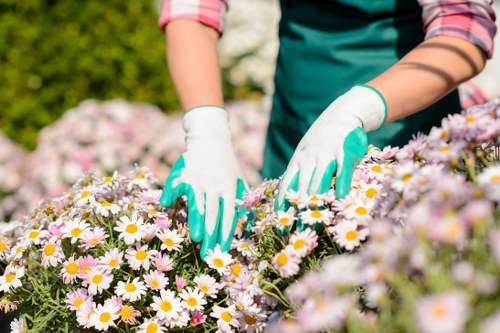
Gardener Staines — Recycling and Sustainability Commitment
Gardener Staines is dedicated to building an eco-friendly waste disposal area and developing a robust sustainable rubbish gardening area that serves local residents, commercial gardens and community greenspaces. Our recycling & sustainability approach is tailored to local borough systems, blending practical on-the-ground reuse with clear targets and infrastructure improvements.Why an eco-friendly waste disposal area matters
An effective, low-impact waste facility reduces landfill, lowers transport emissions and supports circular reuse. We prioritise a zero-waste mindset for garden waste, green cuttings and household compostable material, aligning with borough waste separation schemes that separate organics, mixed recycling and residual waste. Our team works to ensure that garden refuse is processed through the right channels for maximum recovery.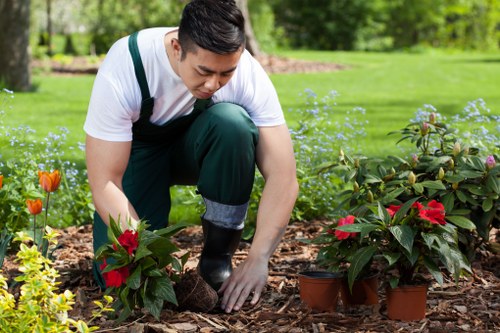
Targets and measurable goals
To keep momentum and accountability, Gardener Staines has set a clear recycling percentage target: a 70% reuse and recycling rate across our operations by 2030. This ambitious recycling percentage target covers green waste, timber, plastics from plant pots and mixed recyclable materials from site clearances. We track progress quarterly and publish performance summaries to partners and stakeholders.Local transfer stations and logistics
We use a network of nearby transfer stations and civic amenity sites to minimise haulage miles and optimise material routing. Working with borough transfer stations means green waste goes to composting or anaerobic digestion, timber is sorted for reuse or processing, and recyclable containers follow municipal recycling streams. This distributed logistics model reduces vehicle kilometres and supports the local circular economy. Our approach to waste separation mirrors borough guidance: clear bags and bins for organics, mixed recycling for cans, plastics and paper, and a small residual stream for contamination. By aligning with local councils' separation rules and seasonal collection schedules, we reduce cross-contamination and increase the yield of usable materials for community reuse and industrial processing.
We promote small-scale on-site segregation at properties and estates, training crews to separate roots and soil from woody material, and to segregate recyclable plastics from non-recyclable film. These small actions, repeated across jobs, compound into substantial savings and diversion from landfill.
Partnerships with charities and community organisations are central to Gardener Staines' sustainable rubbish gardening area strategy. We partner with local reuse charities, community gardens and furniture-repair projects to redirect usable items and surplus materials. Donations of pots, soil bags and reusable timber are coordinated with charities that support community allotments and social enterprises.
To support reuse, we stage curated drop-offs at charity partners and coordinate collection runs so that gently used planters, tools and furniture find a second life. These collaborations reduce waste and create local social value — turning garden clearances into opportunities for community benefit.
 Low-carbon vans and fleet strategy
Gardener Staines is rolling out a fleet modernisation plan featuring low-emission and electric vans, hybrids and efficient routing software to lower our carbon footprint. Where full electrification is not yet viable, we deploy plug-in hybrids and low-emission alternatives to cut NOx and CO2. The fleet is supported by route optimisation that reduces idle time and fuel consumption across jobs.
Low-carbon vans and fleet strategy
Gardener Staines is rolling out a fleet modernisation plan featuring low-emission and electric vans, hybrids and efficient routing software to lower our carbon footprint. Where full electrification is not yet viable, we deploy plug-in hybrids and low-emission alternatives to cut NOx and CO2. The fleet is supported by route optimisation that reduces idle time and fuel consumption across jobs.
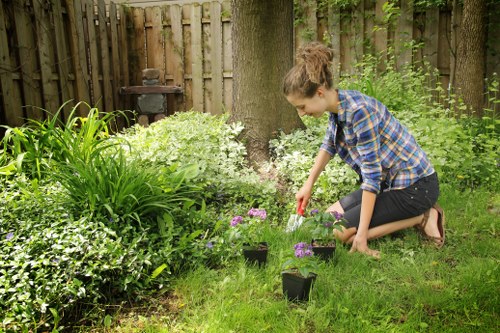 Our sustainable rubbish gardening area also focuses on circular product flows: compost produced from green waste is returned to community allotments and used in planting projects; reclaimed timber is repurposed into benches, raised beds and wildlife habitats; and plastic pots are sorted for mechanical recycling where facilities exist. This material loop keeps resources local and reduces embodied carbon compared with new materials.
We encourage responsible on-site practices such as leaving woody debris for habitat where appropriate, chipping for mulch, and segregating contaminated soil for remediation rather than landfill. Small behavioural changes by crews and clients — like separating clean wood from treated timber — make major differences in a project's environmental outcome.
Operational highlights and the local picture
- Local transfer stations: prioritised to reduce haulage and speed processing.
- Charity partners: redistribution of usable garden goods and materials for social benefit.
- Fleet upgrades: introduction of low-carbon vans and improved logistics.
Commitment to measurable sustainability — Gardener Staines commits to annual reporting on our recycling and reuse rates, with continuous improvement plans to meet and exceed our 70% target. We measure diverted tonnes, vehicle emissions reductions and volumes passed to charity partners as key performance metrics.
Closing statement: our goal is to make every garden job part of a larger, greener system — an eco-friendly waste disposal area in practice, and a practical, scalable model for a sustainable rubbish gardening area that other local businesses can mirror. By combining clear targets, borough-aligned separation, charity partnerships and low-carbon vans, Gardener Staines turns routine maintenance into environmental progress.
We remain focused on innovation, transparency and community collaboration to keep resources moving and emissions falling, ensuring that green spaces thrive while waste becomes a feedstock for future growth.