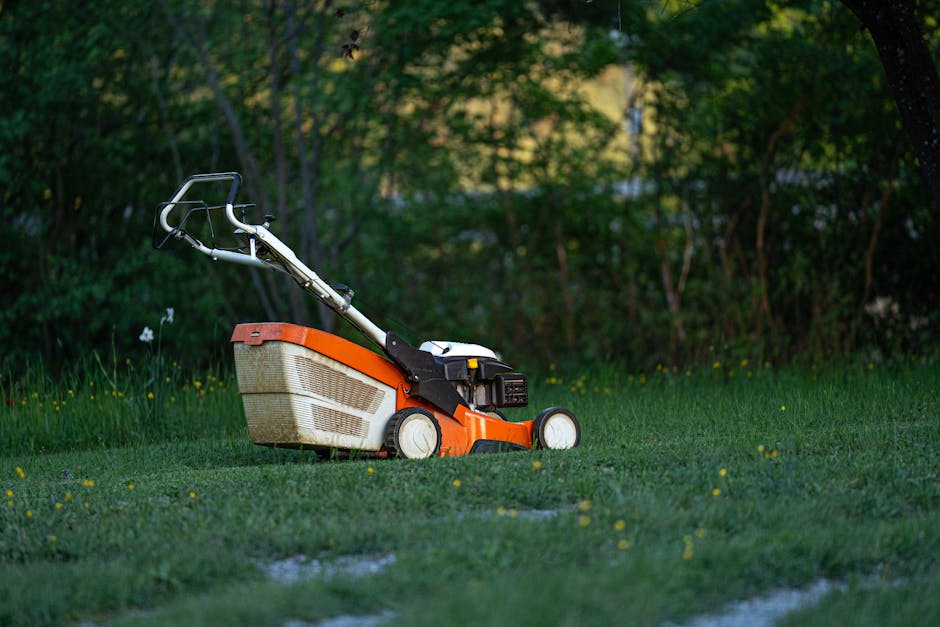
Emergency gardeners same day lawn rescue Staines services: fast, practical help when your lawn needs saving today
If your lawn has taken a beating and you need it sorted quickly, you are probably not looking for a lecture. You want a calm, competent fix, and you want it now. That is exactly where Emergency gardeners same day lawn rescue Staines services come in: rapid, local garden help focused on stabilising a damaged lawn, clearing the mess, and getting the space back to something presentable and healthy as quickly as possible.
Whether the damage came from heavy rain, a burst pipe, a last-minute event, pets, builders, or a garden that simply got away from you, same day intervention can make a real difference. It is not magic. But it can stop the situation from getting worse, and to be fair, that is often half the battle. In this guide, we will cover how emergency lawn rescue works, who needs it, what to expect, what to avoid, and how to decide whether you need a quick tidy-up or a more involved restoration plan.
If you are comparing broader options too, it can help to look at the full range of Staines garden services alongside focused work such as lawn mowing, garden maintenance, and garden clearance. Sometimes the fastest fix is a targeted rescue. Sometimes it is a combination. That part matters.
Table of Contents
- Why emergency same day lawn rescue matters
- How same day lawn rescue works
- Key benefits and practical advantages
- Who this is for and when it makes sense
- Step-by-step guidance
- Expert tips for better results
- Common mistakes to avoid
- Tools, resources and recommendations
- Law, compliance, standards, or best practice
- Options, methods, or comparison table
- Case study or real-world example
- Practical checklist
- Conclusion
- Frequently asked questions
Why emergency same day lawn rescue matters
A lawn can go from manageable to messy surprisingly fast. One wet week and a few heavy footprints, and suddenly the grass is flattened, compacted, muddy, or patchy. Add builders walking across it, a fallen branch, tyre marks, or a late-night garden party, and you can wake up to a lawn that looks tired and stressed.
That matters for more than appearance. A damaged lawn can hold water, invite weeds, create slippery patches, and become harder to recover if you leave it too long. If the turf is compacted, the roots may struggle to breathe. If debris is left on top, light and airflow are reduced. If the mower is run over uneven or wet ground too aggressively, things can get worse quickly. Bit of a pain, really.
Same day help is valuable because it prioritises damage control. The goal is not always a full lawn transformation in a single visit. More often, it is about stabilising the area, preventing further decline, and making the lawn usable again as soon as possible. That is especially useful in Staines, where practical outdoor spaces often need to bounce back for family use, tenants, visitors, or commercial presentation.
There is also a trust element. When you need emergency gardening, you do not want guesswork. You want someone who can assess the situation, explain what can be done today, and be honest about what needs follow-up. Good emergency work is clear-headed and measured, not rushed for the sake of looking busy.
Practical takeaway: emergency lawn rescue is not just about making grass look neat. It is about preventing further damage, restoring safe access, and setting up the lawn to recover properly afterwards.
How emergency same day lawn rescue works
In most cases, the process is straightforward, but the quality of the response depends on what is done during the first conversation. A good service will usually start by asking what happened, how bad the lawn looks, whether access is clear, and what outcome you need by the end of the day. That last part is important. A lawn that needs to look decent for a viewing or family gathering has a different priority from one that needs deep repair.
Here is how the workflow often looks in practice:
- Initial assessment: you explain the issue, ideally with a few photos. This helps the gardener judge urgency, tools, and time required.
- Scope decision: the work is split into immediate rescue tasks and optional follow-up tasks.
- Arrival and site check: the lawn, borders, access points, bins, and hazards are reviewed before work begins.
- Rapid rescue work: this might include clearing debris, light mowing where safe, edging, lifting flattened grass, removing waste, and tidying surrounding areas.
- Surface recovery measures: depending on conditions, the gardener may recommend aeration, overseeding, topdressing, drainage improvements, or a pause before mowing again.
- Aftercare advice: you are told what not to do next, which is just as useful as the work itself.
Not every lawn can be "fixed" instantly. That would be a lovely fantasy, but lawns are living surfaces, not carpets. If the turf is waterlogged, severely compacted, or damaged by disease, the emergency response may focus on cleaning and protecting the area rather than forcing a cosmetic finish that will not last.
When the job involves more than lawn care alone, a service may combine tasks from garden maintenance or even broader landscaping support. If overgrown edges or broken branches are part of the problem, you may also need hedge trimming or tree lopping and removal to properly clear access and light.
Key benefits and practical advantages
The main benefit is speed, but speed alone is not the point. The real advantage is being able to reduce the damage before it spreads. A same day visit can stop a lawn from becoming more compacted, more muddy, or more unsightly than it already is. That can save time later, and sometimes money too.
- Fast visual improvement: useful if you have visitors, an inspection, a sale, or an event.
- Less risk of further damage: quick action can protect turf that would otherwise be trampled or left sodden.
- Safer access: a messy lawn can be slippery or uneven. A rescue visit can make the area safer to walk on.
- Better lawn recovery: clearing debris and easing compaction gives the grass a better chance to bounce back.
- Clearer next steps: you learn whether the lawn needs a simple tidy or a more serious restoration plan.
There is another, quieter benefit: peace of mind. When a garden looks rough, it can become one more thing hanging over your head. The lawn seems to mock you every time you look out of the window. Getting it handled today can remove that mental clutter. Small thing, maybe. But not really.
For homeowners, landlords, letting agents, and businesses, that practical advantage matters. A presentable lawn helps the whole outdoor space feel cared for, especially when paired with reliable longer-term upkeep from garden maintenance and routine lawn mowing.
Who this is for and when it makes sense
This service is not only for dramatic disasters. In many cases, it is for ordinary people who are simply under pressure and need a fast reset. That might be a family trying to make the back garden usable before the weekend. It might be a landlord getting a property ready for new tenants. It might be a local business wanting the outside area to look respectable again. Or it may be a homeowner who has come back from holiday to find the lawn in a sorry state.
It makes sense when:
- the lawn has been damaged by heavy foot traffic
- rain or drainage issues have left the turf muddy or flattened
- builders, decorators, or tradespeople have left debris behind
- grass has grown too long and looks untidy before a viewing or event
- pets have created worn paths or muddy patches
- branches, leaves, or waste are sitting on the lawn and need immediate removal
- you need the garden to be presentable the same day, not next week
There is a difference between an emergency and a routine job, of course. If your lawn just needs regular care, booking a scheduled service is usually better. But if the space needs urgent attention because the situation has become awkward, messy, or borderline unusable, same day rescue is the sensible call.
And if the wider garden is simply overwhelmed, not just the lawn, then a combined approach may be more appropriate. That is where garden clearance can be useful, especially if there is clutter, storm debris, or a lot of cuttings to remove.
Step-by-step guidance
If you are dealing with a lawn problem today, a calm approach usually works better than rushing around with a mower and hope. Here is a practical way to handle it.
- Stop adding stress to the lawn. Keep foot traffic off damaged or boggy areas where possible. If the ground is saturated, walking on it repeatedly can make compaction worse.
- Take a quick look at the cause. Was it weather, clutter, pets, a broken sprinkler, heavy use, or overgrowth? Identifying the cause helps prevent repeat damage.
- Remove obvious hazards. Pick up branches, toys, stones, and loose waste if it is safe to do so. If there are larger hazards, leave them for the professional visit.
- Contact a local gardener and explain the urgency. Be specific. Say what happened, when it happened, and what outcome you need today.
- Send photos if asked. A few clear images can save time and help the team bring the right equipment.
- Agree the priority tasks. For example: clear the lawn, light mow if safe, edge the borders, remove waste, and advise on recovery.
- Prepare access. Gates, side paths, outdoor taps, and bin areas should be easy to reach. It sounds obvious, but in the real world people forget this all the time.
- Follow aftercare instructions. If you are told not to mow again for a period, or to keep off the grass for a while, take that seriously.
If the lawn is badly matted, uneven, or waterlogged, the emergency response may be limited to light tidy work. That is not a failure. It is usually the safer choice. Good judgement beats brute force every time.
A practical same-day approach that often works best
- clear debris first
- cut only if the grass and soil conditions are suitable
- avoid deep scarification or aggressive treatment during an emergency callout
- document any areas that need follow-up care
- focus on visible recovery plus long-term turf health
Expert tips for better results
In our experience, the difference between a decent rescue and a genuinely useful one often comes down to judgment. You do not always need the biggest intervention. You need the right intervention at the right time.
Tip 1: Do not cut wet grass too short. A lawn that has been flattened by rain or use can be damaged further by aggressive mowing. The cut should suit the condition, not your wishful thinking.
Tip 2: Deal with edges and borders at the same time. A neat edge can instantly make a lawn look better, even when the turf itself still needs recovery. Tiny detail, big effect.
Tip 3: Ask what can be improved today and what should wait. A rushed attempt to do everything at once can leave the lawn more stressed. Sometimes the best answer is a clean-up now and restoration later.
Tip 4: Think about the root cause. If the same patch keeps turning soggy, there may be drainage or shading issues. A rescue visit should at least identify that pattern.
Tip 5: Keep future access in mind. If a side gate, decking step, or path is causing repeated wear, the long-term fix may involve layout changes as well as lawn care. For more involved outdoor improvements, landscape gardening or decking services may eventually be part of the conversation.
A small but useful habit: once the lawn is rescued, maintain it properly for the next two weeks. That recovery window matters more than people think. The grass may look fine on day one and still be fragile underneath. Give it a chance, honestly.
Common mistakes to avoid
Most emergency lawn problems get worse because someone tries to solve them too quickly, or with the wrong tools. A few avoidable mistakes show up again and again.
- Mowing a sodden lawn too aggressively: this can create ruts, leave clumps, and tear roots.
- Ignoring compacted soil: if the ground is hard and pressed down, the grass may keep struggling until the soil is relieved.
- Leaving debris on the turf: wet leaves, branches, and rubbish can smother grass and create patches.
- Using generic "one-size-fits-all" treatment: not every lawn needs the same fix.
- Forgetting the follow-up: the same day rescue is the start, not always the finish.
- Expecting a perfect finish from a damaged lawn: the goal is a sensible recovery, not a miracle makeover.
Another common mistake is assuming that every service should be judged only on how green the lawn looks by sunset. Sometimes the more skilled response is the one that leaves the lawn slightly less pretty today, but far healthier tomorrow. That may sound unglamorous. It is still the right call.
Tools, resources and recommendations
Emergency gardeners rely on a practical toolkit rather than anything overly fancy. The aim is to work efficiently and avoid unnecessary stress to the lawn surface.
Useful tools and equipment
- lightweight mowers suitable for the ground conditions
- rakes for collecting debris and lifting flattened material
- edging tools for neat borders
- loppers and hand tools for smaller obstructions
- waste bags or containers for quick removal
- aeration tools for follow-up soil relief where appropriate
What you can prepare before the visit
- clear pets and fragile items from the area
- unlock gates and ensure access to the lawn
- move vehicles if they block side access
- have a rough idea of what changed and when
- decide whether the priority is appearance, usability, or both
If the wider garden needs more than one-off emergency work, it is worth reviewing a broader maintenance plan afterwards. That could include a regular visit schedule, selective clearance, or longer-term improvements to soil condition and layout. A quick rescue is useful, but a steady plan is what keeps the grass from getting back into a mess two weeks later.
For customers who want reassurance about how work is handled, service pages such as insurance and safety, health and safety policy, and recycling and sustainability can help explain standards and waste handling expectations in plain English. Those details matter more than people sometimes realise.
Law, compliance, standards, or best practice
For lawn rescue work in the UK, the main practical concerns are usually safety, waste handling, property care, and avoiding damage. If a service is operating professionally, it should work in a way that is sensible, careful, and proportionate to the conditions on site.
Best practice usually includes:
- checking for hazards before starting work
- using equipment appropriately for the surface condition
- protecting access routes and neighbouring areas where possible
- handling green waste responsibly
- not overpromising what can be done in one visit
- being transparent about limitations, especially on waterlogged or diseased lawns
If a job involves tree work, unstable debris, or blocked access, additional caution is sensible and sometimes necessary. That is one reason broader services such as tree lopping and removal or garden clearance may be relevant before a lawn can be fully brought back into shape.
From a customer point of view, the main thing is this: choose a service that is clear about what they will do, how they will do it, and what happens if the lawn needs more than a same day tidy. That clarity is part of good service, not an extra.
Options, methods, or comparison table
Not every lawn problem needs the same level of intervention. The right approach depends on how urgent the situation is, how damaged the turf looks, and whether you need a quick visual rescue or a deeper repair plan.
| Method | Best for | What it typically solves | Limitations |
|---|---|---|---|
| Same day rescue tidy | Messy lawns, debris, urgent presentation needs | Fast visual improvement, safer access, basic recovery support | Does not fully repair severe turf damage |
| Routine mowing and maintenance | Lawns that are healthy but overgrown or neglected | Consistent appearance and manageable growth | Not ideal for sudden emergencies or heavy damage |
| Clearance plus recovery prep | Lawns covered by rubbish, branches, or garden clutter | Restores access and reduces smothering | May still need follow-up lawn care |
| Longer-term landscape improvement | Repeated drainage, wear, or design problems | Addresses underlying causes | Takes longer and is not a same day fix |
In plain terms: if you need the lawn to look and function better today, start with a rescue visit. If the lawn keeps failing in the same spot, then you are looking at a maintenance or landscaping issue as well. Both can be true at once. Gardening is annoyingly like that sometimes.
Case study or real-world example
Picture a typical Friday afternoon in Staines. A family is expecting guests the next morning. During the week, contractors have been in and out of the back garden, leaving muddy tracks and cut-off bits of packaging. Then it rains. The lawn is flattened in patches, the edges look ragged, and there is a strip near the path that has turned into a damp, ugly patch of churned grass.
The homeowner does the sensible thing and asks for same day help. The first step is not a dramatic overhaul. The team clears the visible debris, removes the worst of the clutter, tidies the edge lines, and cuts the grass only where the conditions allow it. The soggy area is left alone rather than being driven over and destroyed. The result is not a perfect show lawn. It is a clean, presentable garden that no longer feels embarrassing to walk into. That is the win.
What made the difference? A realistic plan. The urgent work focused on what could be improved safely, while the gardener explained that the boggy section would need a little recovery time and possibly a follow-up visit. No fuss, no sales pitch. Just clear action and a decent result.
That sort of practical rescue is often enough to turn a stressful day around. And frankly, when the weather has been miserable and the lawn smells a bit like wet soil and leaves, "good enough and safe" can feel excellent.
Practical checklist
Use this checklist if you are arranging emergency lawn rescue today.
- Describe the problem clearly and honestly
- Send photos if possible
- Explain any event, deadline, or access issue
- Keep pets and children away from the damaged area
- Clear simple loose items before the team arrives
- Ask what can be done today and what should wait
- Confirm whether waste removal is included
- Request aftercare guidance for the next few days
- Make a note of recurring problems such as drainage or shade
- Plan routine follow-up if the lawn is fragile or worn
Conclusion
Emergency same day lawn rescue is at its best when it is practical, calm, and honest. You are not buying a miracle. You are buying fast, thoughtful intervention that protects the lawn, improves the look of the garden, and gives you a sensible path forward. In Staines, where outdoor spaces often need to do a lot of work with not much time, that kind of service can be genuinely valuable.
If your lawn has suddenly gone from tidy to troubling, do not wait for it to sort itself out. The earlier you act, the better the chances of preventing deeper damage, saving time later, and getting your garden back to being a place you actually want to look at. That small bit of relief can be worth a lot on a busy day.
Get a free quote today and see how much you can save.
For a helpful next step, you can also explore more about the team or review pricing and quotes before deciding what level of rescue or follow-up makes sense for your garden.
Frequently Asked Questions
What counts as an emergency lawn rescue?
An emergency lawn rescue is urgent garden help for a lawn that has been damaged, heavily cluttered, waterlogged, flattened, or made unsightly and unsafe in a short time. The aim is to reduce further damage and restore the space quickly.
Can a lawn really be rescued the same day?
Often, yes, at least partially. Same day work can clear debris, tidy edges, improve access, and make the lawn look much better. Severe turf damage may still need follow-up care, because grass does not regenerate on command, sadly.
What should I send before the gardener arrives?
A short description of the problem, a few photos, and any access details are usually enough. If there is a deadline, event, or safety issue, mention that clearly so the work can be prioritised properly.
Will the lawn be fully repaired in one visit?
Not always. A same day rescue is usually about stabilising and improving the lawn, not completing a full restoration. If the turf is compacted, diseased, or badly damaged, follow-up treatment may be needed.
Is lawn rescue different from regular mowing?
Yes. Regular mowing is routine maintenance, while lawn rescue is reactive and urgent. Rescue work often includes clearing debris, checking conditions, and deciding carefully whether mowing is actually safe.
What if my lawn is waterlogged?
If the ground is very wet, it may be better to avoid heavy mowing or repeated walking on the area. A professional will usually focus on clearing the surface and protecting the turf rather than forcing a cut that could make things worse.
How do I know whether I need garden clearance as well?
If the lawn is covered in branches, rubbish, cuttings, or general clutter, then yes, clearance may be part of the job. In those cases, garden clearance can support the lawn rescue work.
Can emergency lawn rescue help before a house viewing or event?
Absolutely. That is one of the most common reasons people ask for same day help. A quick tidy can make the garden feel presentable, which often changes how the whole property feels.
What should I avoid doing before help arrives?
Avoid cutting the grass yourself if it is very wet, avoid trampling the lawn repeatedly, and avoid dragging heavy items over the damaged area. Those are the classic "I'll just quickly fix it" mistakes that tend to make a mess worse.
Do I need follow-up maintenance after an emergency visit?
In many cases, yes. A rescue visit gets the lawn back under control, but routine care helps keep it healthy. Services like garden maintenance or lawn mowing can help prevent the same issue from returning.
How do I get a fair quote for same day lawn rescue?
Give clear details, share photos, and explain what outcome you need today. That allows the service to assess the job properly and avoid vague pricing. If you want a better sense of the process, review pricing and quotes first.
What if the problem is bigger than the lawn?
If the issue includes overgrown hedges, blocked access, or trees dropping debris, the lawn may be only one part of the story. In that case, broader support such as hedge trimming or tree lopping and removal may be needed alongside the rescue.
Sometimes the garden just needs one good, sensible day of attention. And once that starts, the whole place feels lighter.