Nature's Walls: How to Choose Tall-Potted Plants That Offer Beauty and Seclusion
You want privacy without building a fence. Soft edges, gentle movement, a bit of scent catching the evening air. That's where tall-potted plants come into their own--Nature's walls that wrap your space in beauty and quiet seclusion. If you're in a city terrace in London, a breezy coastal balcony in Brighton, or a shared garden in Manchester, choosing the right tall container plants can transform how you live outdoors--calmer mornings, kinder views, and a little sanctuary where a hard boundary used to be.
In this long-form guide, we'll take you step-by-step through how to choose tall-potted plants for privacy, how to position them for maximum screening, how to keep them thriving all year, and what to watch out for legally in the UK (yes, the high hedges rules can still matter in a planter). We'll share expert tips, real-world examples, and a practical checklist you can use today. And, truth be told, a couple of gentle nudges so the job actually gets done.
Table of Contents
- Why This Topic Matters
- Key Benefits
- Step-by-Step Guidance
- Expert Tips
- Common Mistakes to Avoid
- Case Study or Real-World Example
- Tools, Resources & Recommendations
- Law, Compliance or Industry Standards (UK-focused)
- Checklist
- Conclusion with CTA
- FAQ
Why This Topic Matters
Let's face it: modern outdoor spaces are smaller, closer, and busier than ever. You want a little privacy but you don't want to stare at a blank panel. Nature's Walls: How to Choose Tall-Potted Plants That Offer Beauty and Seclusion isn't just about blocking views; it's about creating them--shifting the eye from a neighbour's window to a living canopy that moves with the breeze. In our experience, once you've sat behind a softly rustling screen of bamboo or jasmine on a summer evening, you'll never go back to plastic panels.
There's also a practical side. Many UK homes--especially flats--don't allow fixed fencing changes, and in conservation areas or rentals, permanent structures can be a no-go. Tall container plants sidestep planning headaches and add value: sensory richness, biodiversity, even a tiny habitat for pollinators. On a wet Tuesday in Leeds, you step outside with a cuppa and smell star jasmine. Suddenly the day feels different. Better.
And a quick micro moment: a client once told me the soft swoosh of bamboo leaves masked just enough city noise that she started reading outside again. Small thing. Big change.
Key Benefits
- Instant privacy, minimal paperwork: Containers rarely require planning permission, so you can screen quickly without calling the council.
- Flexible and reversible: Move them, group them, or replant seasonally. If you sell or move, take your investment with you.
- Design power: Tall-potted plants create vertical lines, shadows, and textures--elevating small spaces into layered green rooms.
- Sound softening: Dense foliage subtly dampens high-frequency noise. Not a full acoustic wall, but you'll notice the hush.
- Climate resilience: Containers let you fine-tune soil type and drainage for plants that wouldn't normally thrive in local ground.
- Wildlife value: Nectar, shelter, and nesting niches. You'll see bees, hoverflies, and songbirds. It's quietly joyful.
- Maintenance control: Pruning and root control are easier in pots; size stays more predictable than in open soil.
- Safety and compliance: When chosen carefully, living screens avoid the disputes that tall boundary fences sometimes invite.
Ever stood on your balcony and felt a little on show? This is how you fix that--beautifully.
Step-by-Step Guidance
1) Define your privacy goal and sightlines
Before racing to the garden centre, map your sightlines. Stand (and sit) in the spot you want to screen, and note where unwanted views originate: directly opposite, above, or from the side? Use your phone's notes and a quick sketch. Eye level is typically ~1.6 m for adults. A simple method: hold a bamboo cane vertically where you'd place the pot and mark the lowest height at which the neighbour's view is blocked--that's your target plant height.
A quick geometry hack: If a window 2 m above your floor is 3 m away, a screen placed 1 m from you needs to be roughly 1.3-1.5 m tall to break the line of sight (allow some margin for growth and seasonal thinning). You don't need to be exact; err on the taller side.
Micro moment: It was raining hard outside that day, but we still stood under a brolly with a client, lining up a cane against a distant kitchen window. Two minutes later, we had a plan. Worth it.
2) Check microclimate and constraints
- Sun: Full sun (6+ hours), part shade (3-6), or shade (<3)? Balconies can swing wildly--south-facing in July can be scorching.
- Wind: Upper-storey spaces channel wind; coastal homes see salt-laden gusts. Choose wind-tolerant plants and anchor pots.
- Weight: Balconies have load limits. Typical UK design loads for domestic balconies are around 2.5 kN/m?--check with your building manager or a structural engineer if you're unsure.
- Water access: Can you run a hose, or will you rely on watering cans? Self-watering containers save time, especially during heatwaves.
- Lease rules: Some blocks restrict large planters or climbing trellises fixed to railings. Portable, freestanding options are usually fine.
3) Choose the right plants (evergreen first, then seasonal layers)
For privacy, evergreen is your anchor. Then add seasonal bloomers or grasses for movement and colour. Below are proven UK-friendly tall-potted plants for privacy screens.
- Clumping bamboos (Fargesia) - Elegant, non-invasive, and great in troughs. Fargesia robusta, F. 'Rufa', and F. 'Jiuzhaigou' handle wind and cold. Avoid running bamboos unless you love chaos.
- Bay laurel (Laurus nobilis) - Evergreen, aromatic, and happily pruned. Can be trained into tall cones or columns for neat, formal screens.
- Griselinia littoralis - Glossy, salt-tolerant, and quick to fill out. Superb for coastal balconies and mild urban microclimates.
- Pittosporum tenuifolium - Light, airy foliage; many cultivars stay narrow. Great for soft privacy without bulk.
- Photinia x fraseri 'Red Robin' - New red growth brings colour; responds well to clipping. Likes light and shelter.
- Trachelospermum jasminoides (star jasmine) - Evergreen climber with intoxicating summer scent. Grow on a trellis in planters for vertical screening.
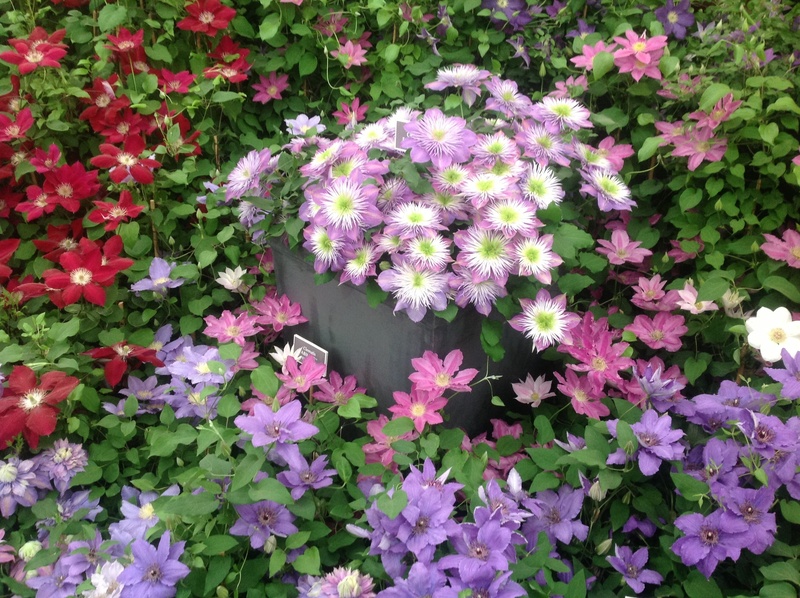
- Clematis armandii - Evergreen clematis with spring flowers; needs a sturdy trellis and decent shelter.
- Olea europaea (Olive) - Architectural and drought-tolerant. Not the fastest screen, but beautiful texture and Mediterranean feel.
- Trachycarpus fortunei (windmill palm) - For height and drama. Use as focal points with lower filler screens beneath.
- Phormium (New Zealand flax) - Strappy leaves for upright form and wind tolerance. Combine with grasses for movement.
- Evergreen grasses - Miscanthus (deciduous but tall in season), Calamagrostis 'Karl Foerster' (upright), and tall Carex for low-maintenance structure.
Important note: Avoid invasive or legally problematic species. Japanese knotweed is illegal to plant in the wild and a nightmare anywhere, full stop. Ivy is useful but choose non-invasive cultivars and manage carefully.
4) Select the right containers
- Size matters: A good rule of thumb is a container diameter 40-60% of the plant's intended height, and at least 40-100 litres for shrubs, 60-150 litres for small trees, 25-60 litres for clumping bamboos. Bigger volume = more stable moisture and roots.
- Material: Fibreclay, high-quality resin, or lightweight concrete for durability. Timber planters need liners. Terracotta is lovely but can dry fast.
- Drainage: Large holes with feet or risers; in windy spots, use wide bases or ballast to reduce tipping. Add wheeled dollies only if load permits.
- Self-watering: Reservoir planters (e.g., sub-irrigated) help during summer and holidays. Still top up from above occasionally to flush salts.
5) Build a resilient potting mix
For tall container screens, you need drainage, structure, and long-term nutrition.
- Base mix (peat-free): 50% high-quality peat-free compost, 30% composted bark or coir, 20% horticultural grit or perlite.
- For bamboos: Add 10% loam (topsoil) for moisture stability and silica for strong canes.
- For Mediterranean shrubs (olive, bay): Increase grit/perlite to 30-40% and mix in slow-release fertiliser.
- Organic boost: A handful of wool pellets or well-rotted green compost improves water retention in hot spots.
Do not use heavy rubble layers at the bottom; it can reduce effective root space. Better to lift pots on feet and ensure free-draining mix. Clean, clear, calm. That's the goal.
6) Planting and anchoring
- Pre-soak rootballs in a bucket until bubbles stop. Hydrated roots establish faster.
- Set height so the root flare sits just at or above the final soil level.
- Backfill in layers, firming gently to remove air pockets. Don't over-compact.
- Stake if needed: Use discreet bamboo tripods or soft ties. For climbers, fix a free-standing trellis inside the planter.
- Water deeply until runoff appears, then mulch with 3-5 cm of bark or gravel to stabilise moisture and temperature.
On high balconies, consider anchoring planters to heavy slabs or adding internal ballast (pebbles in mesh sacks) to lower the centre of gravity. Safety first.
7) Watering, feeding, and pruning
- Watering: In summer, water early morning or late evening. Aim for consistent moisture--not soggy. A moisture meter helps new gardeners avoid guesswork.
- Feeding: Slow-release fertiliser in spring; supplement with liquid feed every 3-4 weeks during active growth, especially for hungry bamboos and flowering climbers.
- Pruning: Light trim after flowering for Photinia and Pittosporum; thin older bamboo canes at the base once mature; tie in climbers and remove dead or crossing stems.
- Winter care: Protect roots with thicker mulch; cluster pots together; in exposed zones, wrap pots with hessian or move to leeward corners when hard frosts hit.
One winter night in Glasgow, we slid three big troughs along a balcony to tuck them behind a glass screen. Five minutes, big difference. Your plants will thank you.
8) Position for function and beauty
Layer heights: tall screen at the back (bamboo or trellised jasmine), mid-layer shrubs (Pittosporum, bay), then grasses or herbs at the front. Leave 40-60 cm behind tall screens for airflow if you can--healthier plants, fewer pests. And leave gaps as intentional "windows" to frame a nice view. Not everything needs blocking.
Expert Tips
- Use the rule of thirds: If your sitting eye-line is 1.2 m, aim for 1.8 m screens--one third above, two thirds at eye line. It feels more natural.
- Go narrow, go tall: Rectangular troughs 80-120 cm long and 30-50 cm deep create continuous privacy with fewer pots and less fuss.
- Mix textures: Pair fine bamboo leaves with glossy Griselinia and a strappy Phormium for contrast. Your brain reads complexity as richness.
- Stagger maturity: Combine fast fillers (Griselinia, some bamboos) with long-lived structure (bay, olive) so you get instant impact and long-term reliability.
- Scent strategy: Add Trachelospermum jasminoides or winter box near seating. On a still evening, the fragrance does half the work of relaxation.
- Wind-smart spacing: Avoid placing tall, dense screens at the very edge of a windy balcony; set them 20-40 cm back to reduce sail effect.
- Irrigation sanity: A simple battery timer and dripline saves holidays and arguments. Yeah, we've all been there.
- Evergreen doesn't mean static: Use evergreen stars, then swap a few seasonal pots each year to keep things fresh.
Small aside: don't overthink colour. Fresh green is always in fashion.
Common Mistakes to Avoid
- Choosing running bamboo in containers without serious containment. It will try to escape and can crack pots over time.
- Using too-small pots. Plants dry out, topple, or sulk. Upsize and your maintenance drops dramatically.
- Blocking all light and air. Completely solid walls can feel oppressive. Leave openings; step the heights.
- Ignoring weight limits. Heavy pots plus saturated soil can exceed balcony loads. Check and spread weight evenly.
- Overwatering in winter. Cold, wet roots invite root rot. Let the top 3-5 cm dry between winter waterings.
- Planting the wrong species for aspect. Camellias in baking afternoon sun on a black wall? Not happy.
- No plan for wind. Anchoring and wide-base containers prevent heart-stopping near-misses on stormy nights.
If you've made one or two of these already--honestly--most of us have. Fixable.
Case Study or Real-World Example
Project: Fourth-floor London balcony, 5 m wide by 1.4 m deep, overlooked by offices across a narrow street. The client wanted privacy for morning coffee and evening wine without darkening their living room.
Site notes: South-west aspect, windy gusts; no fixing to railings allowed; maximum individual planter weight advised under ~80 kg by building management.
Solution:
- Three lightweight resin troughs (100 cm x 40 cm x 45 cm), each around 60-70 litres, positioned 30 cm in from the railing.
- Planting scheme: Fargesia 'Rufa' (2 canes per trough), interplanted with Pittosporum 'Golf Ball' and front-edged with Carex oshimensis 'Evergold' for year-round texture.
- A freestanding, narrow trellis panel set into the middle trough with Trachelospermum jasminoides trained up for fragrance.
- Self-watering insert reservoirs and a discreet dripline connected to a balcony tap with a battery timer (15 min every 2 days in summer; weekly in spring/autumn; off in winter unless dry).
- Mulch: 4 cm composted bark to reduce evaporation and keep roots cool.
Outcome: Immediate screening to 1.8 m height, airflow intact, and dappled light into the living room. Within one season, the bamboo thickened and jasmine began flowering--little white stars perfuming the air around sunset. The client told us, "I hear fewer sirens, or maybe I just notice them less." Which is lovely.
Tools, Resources & Recommendations
- Plant selection aids: RHS Plant Finder (for UK suitability and size), local nursery advice.
- Microclimate tools: Met Office local forecast and wind maps; sun-path apps (e.g., Sun Seeker) to track shade lines.
- Containers: Lightweight fibreclay or resin planters; brands known for durable self-watering systems.
- Growing media: Quality peat-free composts such as bark-based blends; add grit/perlite for drainage and loam for stability.
- Fertilisers: Slow-release granules for base nutrition; seaweed-based liquid feeds for gentle, regular boosts.
- Irrigation: Simple hose timers, micro-drip kits, and moisture meters--honestly, game-changers for busy weeks.
- Safety add-ons: Pot feet, anti-tip straps within planters, and non-slip mats under heavy troughs.
Pro note: If you're buying many containers, measure your lift access and door widths. Ever tried getting a 120 cm trough into a lift that's... 118 cm? You'll only do it once.
Law, Compliance or Industry Standards (UK-focused if applicable)
This isn't legal advice, but here's the lay of the land in the UK for living privacy screens:
- High hedges regulations: Under Part 8 of the Anti-social Behaviour Act 2003, councils can intervene where evergreen hedges over 2 m adversely affect neighbours. While your plants are in pots, persistent disputes over light and amenity can still trigger complaints. Keep screens reasonable and friendly conversations open.
- Rights of light: UK common law protects long-established light to windows. Tall container screens are rarely an issue compared with built structures, but avoid aggressive, boundary-spanning walls of foliage.
- Planning permission: Plantings typically don't require permission; fixed trellises or structures may in conservation areas. Portable, freestanding trellises within pots are usually acceptable.
- Invasive species: The Wildlife and Countryside Act 1981 controls certain species (e.g., Japanese knotweed) that you must not plant in the wild or allow to spread. Choose non-invasive plants and dispose of waste responsibly.
- Plant health and imports: UK plant health rules require phytosanitary checks for imported plants to prevent pests/diseases. Buy from reputable UK nurseries and look for pest-free stock.
- Balcony safety & loads: Building Regulations and standards (e.g., BS EN 1991 for loading) inform typical balcony limits. Distribute weight evenly and verify with building management where unsure.
- Fire safety on balconies: Some buildings restrict barbecues or combustible storage. Dry plant matter can be a hazard in heatwaves; keep plants watered, remove dead foliage, and follow local guidance (London Fire Brigade offers clear advice).
- Sustainability: The UK is moving toward peat-free gardening; many retailers already supply excellent peat-free composts. It's the environmentally sound choice--go for it.
When in doubt, a polite chat with neighbours goes further than any statute. A box of biscuits doesn't hurt either.
Checklist
- Measure sightlines sitting and standing; set target screen height.
- Note sun hours, wind exposure, and water access points.
- Confirm balcony/load limits and any lease restrictions.
- Pick evergreen anchors plus seasonal accents for movement and scent.
- Choose container sizes 40-100+ litres, with wide bases and good drainage.
- Build a peat-free, well-draining mix tailored to your plants.
- Install self-watering or drip irrigation; set a simple schedule.
- Mulch, stake, and anchor to mitigate wind.
- Plan pruning windows and winter protection strategies.
- Take progress photos--adjust spacing and heights after a month.
Two weekends' effort. Years of calm.
Conclusion with CTA
Privacy doesn't have to be hard, harsh, or heavy. With smart choices, tall-potted plants can give you a living, breathing screen--subtle, scented, and soothing. From clumping bamboo to trellised jasmine, from bay's neat geometry to the hush of grasses, your outdoor room can become a place to pause. To read. To breathe.
Start small if you like--one tall trough, then another. You'll see the change the very first evening the breeze picks up and the leaves begin to whisper. That's your new wall speaking. Kind of wonderful, actually.
Get a free quote today and see how much you can save.
And if you were waiting for a sign to bring a bit more green into your life--well, this is it.
FAQ
What are the best tall-potted plants for privacy in the UK?
Top evergreen picks include clumping bamboos (Fargesia), bay laurel, Griselinia, Pittosporum, Photinia 'Red Robin', and evergreen climbers like star jasmine and Clematis armandii on trellis. For height accents, try Trachycarpus or olives in large planters.
How big should containers be for tall privacy plants?
Generally 40-100 litres for shrubs, 60-150 litres for small trees, and 25-60 litres for clumping bamboos. Larger volumes stabilise moisture and reduce tipping, making screens safer and lower maintenance.
Will bamboo in pots become invasive?
Clumping bamboos (Fargesia) are well-behaved in containers; running bamboos (Phyllostachys) can be problematic, even in pots. Choose clumpers, use large containers, and thin older canes annually for tidy growth.
How do I water tall planters without drowning roots?
Check moisture 5-8 cm below the surface; water deeply only when that layer is slightly dry. Use self-watering reservoirs or drip irrigation with a timer. In winter, reduce frequency to prevent waterlogging.
What plants work for a windy, coastal balcony?
Griselinia littoralis, Phormium, some clumping bamboos, and tough grasses like Calamagrostis hold up well. Keep containers wide-based, add ballast, and set screens slightly back from the edge to reduce wind load.
Can I get privacy on a north-facing balcony?
Yes. Choose shade-tolerant evergreens like some Pittosporum cultivars, bay laurel (with enough light), and evergreen climbers like star jasmine in bright shade. You'll get softer growth, so be patient and use wider spacing.
Do I need special soil for container privacy screens?
Use a high-quality peat-free mix with added bark and grit/perlite for drainage. Mediterranean plants prefer grittier mixes; bamboos like loam-rich blends to hold moisture. Refresh the top 5-8 cm yearly and repot every 3-5 years.
How can I prevent tall planters from tipping in wind?
Choose wide, heavy-bottomed containers; add internal ballast (pebble sacks); position screens 20-40 cm from edges; and anchor trellises inside the pot. Avoid top-heavy species without staking on exposed sites.
Are there UK laws about plant screens and neighbour disputes?
Plants in pots generally don't need permission, but very tall evergreen screens can trigger complaints under the High Hedges provisions of the Anti-social Behaviour Act 2003. Keep heights reasonable, shape regularly, and talk to neighbours early.
How quickly will I get usable privacy?
With mature plants in 60-100 L containers, you'll see immediate screening to 1.6-1.8 m. Climbing jasmine can cover a trellis within one growing season in good conditions. Bamboos tend to thicken nicely in their second year.
What's a simple starter combo for a 3-4 m balcony?
Two 100 cm troughs with Fargesia 'Rufa' plus a central trellis with star jasmine. Add a low layer of Carex and a pot of scented herbs by your chair. Instant privacy, gentle scent, and a tidy footprint.
Are these plants safe for pets and children?
Some common plants (e.g., oleander) are toxic if ingested. If pets or small children are present, check plant toxicity lists and choose safer options like bamboo, bay (culinary leaves), and many grasses. Always supervise and place potentially harmful plants out of reach.
Do self-watering planters really help?
Yes. They provide a consistent moisture baseline and reduce summer stress, especially in hot, windy spots. Still top-water occasionally to flush salts and check that wicks and reservoirs are functioning.
Can I move large planters easily?
Use wheeled dollies or integrated castors if your balcony load allows, and move them when soil is slightly dry to reduce weight. For very heavy planters, consider sectional modular troughs you can assemble in place.
What's the most low-maintenance privacy plant?
Griselinia in large troughs is very forgiving; clumping bamboos are close behind if you thin canes annually. Add mulch and a slow-release feed, and they'll look after themselves with modest watering.
Do I need a drainage layer of stones at the bottom?
No. It's better to use a uniformly well-draining mix throughout and ensure pot feet and large drainage holes. A separate stone layer can reduce root volume and create perched water tables.
How often should I prune privacy screens?
Lightly shape evergreen shrubs 1-3 times a year depending on growth; thin bamboo canes annually; tie in climbers monthly during peak growth and remove dead or tangled stems in late winter.
One last thought: creating a living screen is part gardening, part scene-setting. Give it a little care, and it'll give back more than you expect.